maxon Story
Con los motores maxon por encima de las nubes.


A una altitud de once kilómetros por encima de la superficie terrestre, el aire está muy enrarecido. Las modernas cabinas presurizadas y un sistema de climatización (Environmental Control System, ECS) crean una agradable atmósfera en aviones de pasajeros. En el nuevo Boeing 787, también conocido bajo el nombre de Dreamliner, se emplea un sistema de climatización especial, el cual hace que los largos vuelos sean aún más llevaderos para los pasajeros. Los motores CC de maxon sin escobillas, los reductores de engranajes rectos y las combinaciones de encoders crean un buen clima a grandes alturas.
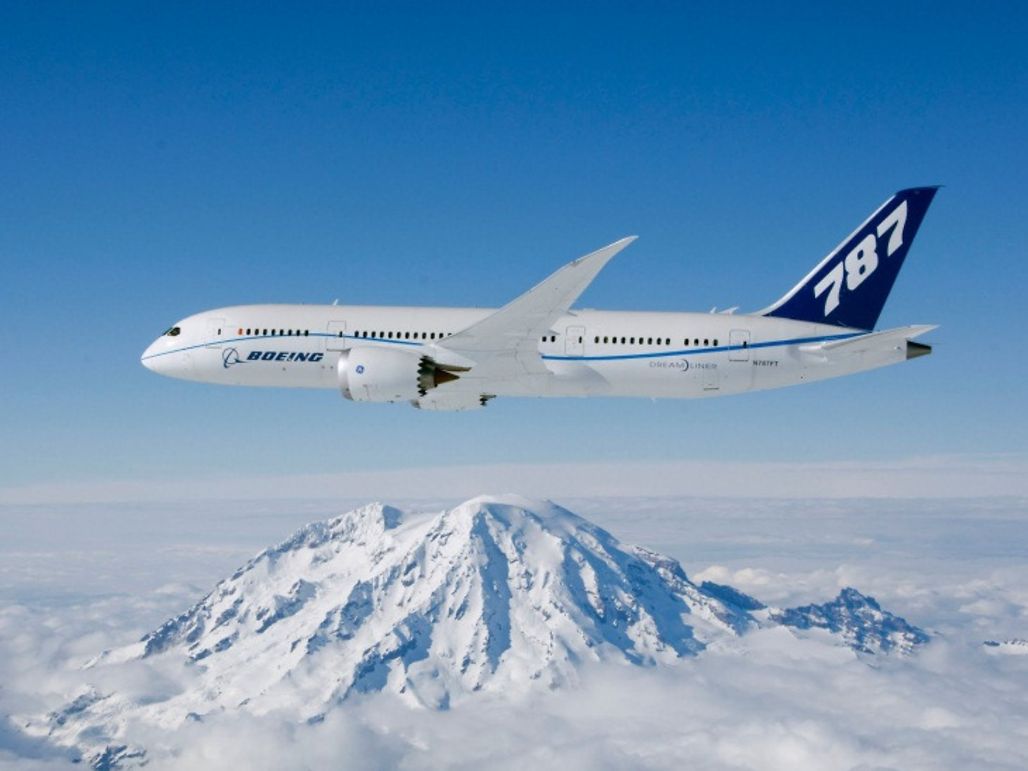

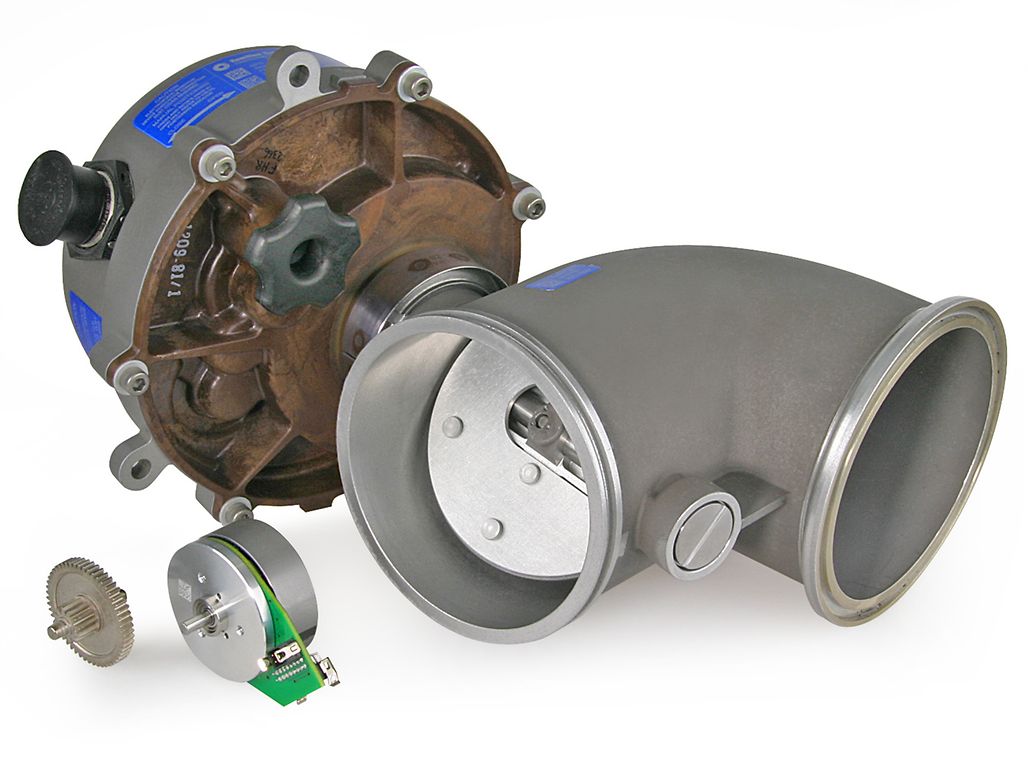
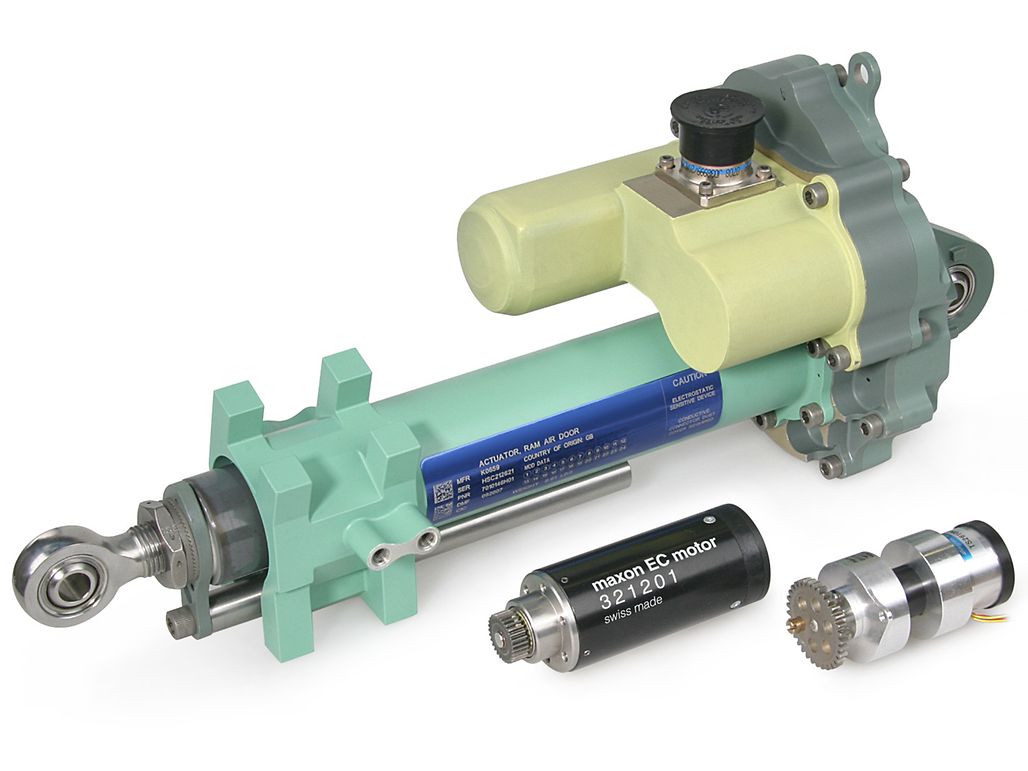
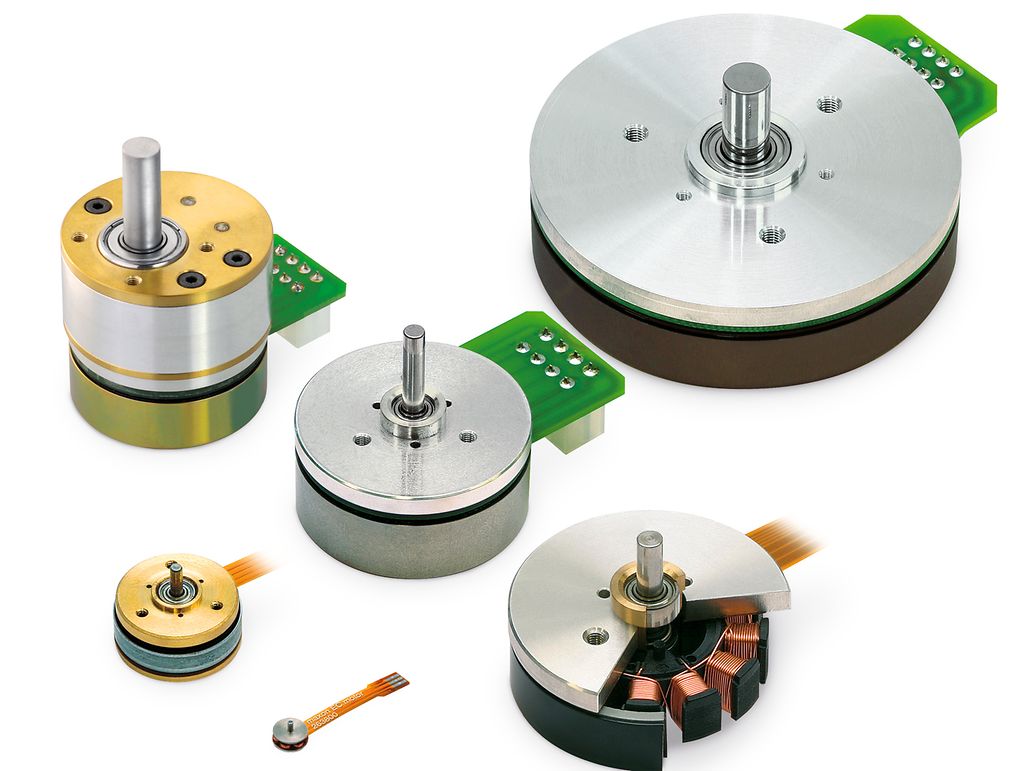
En el Boeing 787, 48 motores maxon crean un buen clima. © 2012 Boeing
Los sistemas de climatización en aviones abarcan los tres componentes de intercambio de aire, así como regulación de presión y temperatura. A altitudes de vuelo de más de 11.000 m, para poder ofrecer a los pasajeros la atmósfera requerida en la cabina con una suficiente presión de aire, un adecuado suministro de oxígeno y una conveniente temperatura ambiente, es necesario un sistema de control ambiental en cada avión de pasajeros. Por este motivo, los sistemas de climatización en aviones se diferencian fundamentalmente de los convencionales en que poseen una estructura diferente, una fuente de energía con una demanda de potencia mucho mayor y requisitos de seguridad más elevados.
Las denominadas cabinas presurizadas en aviones de pasajeros proporcionan una presión de aire tolerable para los pasajeros. La circunferencia del avión se expande debido a la compensación de presión, sometiendo el fuselaje del avión a grandes tensiones. La presión de la cabina se reduce ligeramente de forma continuada a medida que aumenta la altitud. De esta manera, el pasajero experimenta durante el vuelo un incremento de la altitud hasta aproximadamente 2.400 metros. Sin embargo, la regulación del sistema de climatización también depende de la cantidad de oxígeno que
un ser humano necesita para vivir y del número de asientos que tiene un avión.
Las denominadas cabinas presurizadas en aviones de pasajeros proporcionan una presión de aire tolerable para los pasajeros. La circunferencia del avión se expande debido a la compensación de presión, sometiendo el fuselaje del avión a grandes tensiones. La presión de la cabina se reduce ligeramente de forma continuada a medida que aumenta la altitud. De esta manera, el pasajero experimenta durante el vuelo un incremento de la altitud hasta aproximadamente 2.400 metros. Sin embargo, la regulación del sistema de climatización también depende de la cantidad de oxígeno que un ser humano necesita para vivir y del número de asientos que tiene un avión.
Pero el oxígeno en sí no basta para crear una atmósfera agradable. La temperatura y la humedad del aire juegan un papel importante. Los sistemas actuales controlados por ordenador regulan la temperatura con la precisión de hasta un grado.
Dreamliner increases comfort of long-distance flights
Last year, aircraft manufacturer Boeing launched a new long-distance aircraft: the Boeing 787, also called the Dreamliner. Unlike any other aircraft before it, the Dreamliner fuselage consists largely of carbon fibre. This aircraft offers an improved cabin atmosphere and different pressure conditions. This makes long-distance flights more tolerable for the passengers.
Acording to Boeing, the new innovative plastic body of the aircraft is stronger than a thin aluminum shell. The cabin pressure corresponds to a height of 1800 m. This is deemed to be more passenger-friendly than the customary 2400 m. Furthermore, the corrosion-resistant shell allows 15 percent air humidity in the interior, instead of the customary 4 percent. Therefore the climate system also works a little bit differently.
On the Boeing 787, the air is not drawn from the jet engines under pressure, but is instead, fresh air from the outside atmosphere. On board electric motors power compressors to prepare the cabin air for a comfortable flight experience. In other words, the air-conditioning system is operated entirely electrically. The jet engines have very strong generators to ensure adequate power supply. The climate system for the Dreamliner is manufactured by the American AC manufacturer Hamilton Sundstrand. Such a system supplies enough power to cool or warm 25 private households.
maxon motors for a perfect climate
Motors for aeronautic and astronautic applications differ greatly from standard motors. They have to withstand greater temperatures and vibrations, have a longer life span and have to be very reliable. All in all, 48 motors by maxon are at work in the climate control system of each Boeing 787. Specific motor modifications were required for the highly complex air-conditioning system. This includes drives for the cabin ventilation, for cooling the electronics and for closing and opening the air inlet on the outside of the aircraft. The motors have to withstand temperatures of -55 C to +85 C and the vibrations during take-off and landing - throughout the decades of the aircraft's service life. Therefore it is vital that the motors have a long life span. The cabin ventilation system consists of 36 shut-off valves that are driven by maxon EC 45 flat motors. These light brushless motors have been designed to fit into even the smallest spaces.
The EC flat motors achieve speeds of up to 20,000 rpm and, thanks to their open design, offer excellent heat dissipation at high torques. In the case of the climate control system of Hamilton Sundstrand, the motors achieve a speed of 4,000 rpm. In particular the stator of the flat motors installed in the air-conditioning system has been adapted; the printed circuit board has been modified with low-temperature Hall sensors and the motor has been given a special protective conformal coating. A modified stator magnetic path prevents movement when the motor is unpowered further improving overall efficiency. The linear drives for the air inlets use modified EC32 motors which have also been equipped with low-temperature Hall sensors. Furthermore there is a flame barrier at the output shaft of the motor, a special vibration-resistant fastening screw threads and cogging detent-brake modules.